
Birmingham · West Midlands
Software, web, mobile & digital marketing for Birmingham businesses
Birmingham's business base is more industrial and more owner-managed than its city-centre skyline suggests. Colmore Business District holds the professional economy — HSBC UK's head office, the accountancy and law firms along Colmore Row and around Snow Hill — while Brindleyplace and Paradise carry the newer office stock. A mile away the Jewellery Quarter is still a working cluster of small manufacturers, silversmiths and one-person workshops, and Digbeth has turned old factory buildings into a creative quarter, with the BBC moving into the former Typhoo tea factory. Around all of it sits the West Midlands supply chain: engineering, metalworking, distribution and the automotive network feeding Solihull. Those businesses see the clearest return on custom software we find anywhere.
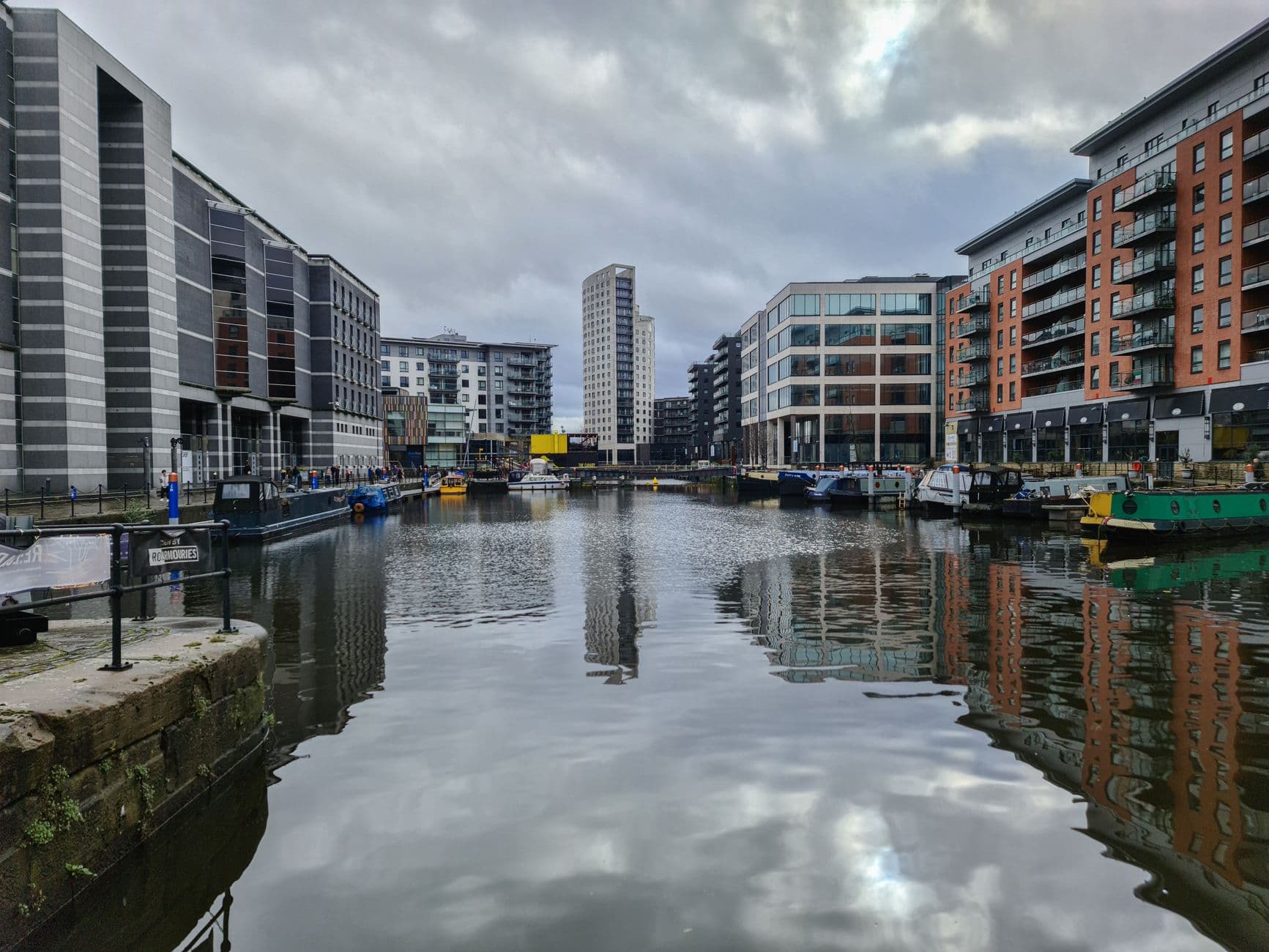
Background photo by Howard Senton on Pexels
Working with Birmingham businesses
Most of our West Midlands work is integration rather than greenfield, because the systems already exist and have done for years. A modern front end onto an ERP that predates it. The spreadsheet that quietly runs production planning. Stock that disagrees between a trade counter in Tyseley and the website. The automotive network around JLR at Solihull and the tiers feeding it runs on release schedules, quality records and traceability, and the smaller suppliers in Walsall, Dudley and West Bromwich often hold all three in Excel and email. Jewellery Quarter workshops need job costing against metal weight and hallmarking steps, not enterprise software. Colmore Row professional firms carry paper-heavy onboarding. Digbeth's studios need something different again — the Custard Factory alone houses hundreds of small businesses, most of which need a credible website and a booking or invoicing flow rather than a platform.
Why Birmingham businesses work with us
Custom software pays back here because the friction is measurable. When a production planner rekeys the same order into three systems, or a sales office quotes from a printed price list that changed last week, the cost is hours you can count and margin you can point at. Discovery is designed to establish whether that case is real, and it regularly concludes you need less software than you expected — sometimes a report and a process change rather than a build. Where a build is justified, a web application from £12,000 replacing the spreadsheet everything depends on is usually the strongest case in the room. We are Glasgow-registered and work with West Midlands clients remotely, travelling down for the meetings that need a room.
How we work at this distance
Projects run remotely with a weekly video review, one named contact and a board you can read without asking for an update. For kickoffs, shop-floor walkthroughs and milestone reviews we travel — and on manufacturing work an early site visit almost always earns its cost. Glasgow Central to Birmingham New Street is a direct West Coast Main Line service, though a long one at roughly five hours, so we plan visits as full days with several sessions rather than dropping in for an hour. We work UK hours, invoice in pounds sterling, and are registered at Companies House.
The Birmingham market, honestly
The West Midlands labour market is tight for anyone who understands both a production line and a database — those people are largely already inside the manufacturers, and they are not leaving. That is the gap dedicated developers at £3,200–£6,500 per developer per month tend to fill, working alongside whoever currently maintains your systems rather than replacing them. The HS2 works at Curzon Street and the regeneration planned around that zone are pulling construction and professional services demand into the city centre, which reaches us as tender, compliance and site-documentation projects. On search, Birmingham service terms are contested but shallower than London's, and an SEO audit from £1,200 will tell you where the room is.
Popular Birmingham searches
A development company near you
Searched for a “software development company near me” around Birmingham? We work with Birmingham and nearby businesses as a dedicated remote team — Glasgow-registered, on UK hours, and on site for the meetings that need it.
Talk to us about BirminghamWhat Birmingham industries actually need built
Not a list of services — the specific gap we most often find in each of these sectors here.
Manufacturing and precision engineering
Job costing, works orders, quality records and traceability usually live across a legacy ERP and spreadsheets nobody wants to touch. The work is joining them into one record per job, with data captured on the shop floor as it happens rather than retyped in the office at five o'clock.
Automotive supply chain
Tier two and three suppliers around Solihull and Coventry live or die on schedule adherence and evidence. What is usually missing is release scheduling against real capacity, non-conformance tracking that survives a customer audit, and the ability to answer a traceability question in minutes rather than days.
Wholesale, trade counters and distribution
Customer-specific pricing, credit limits and stock shared between a counter and a website. This needs one authoritative stock record with two-way sync rather than a nightly batch, plus reserve-on-order so a web sale reduces counter availability at once. Our point-of-sale line covers wholesale and grocery configurations.
Professional and financial services
Firms in Colmore Business District and around Snow Hill still onboard clients on paper: engagement letters, identity documents and conflict checks chased by email. Document extraction, a client portal showing matter status, and an audit trail of who saw what recover more time than another CRM licence.
Creative, hospitality and independent retail
Digbeth studios, Jewellery Quarter workshops and independent shops mostly need proportionate things done properly: a marketing website at £4,500–£9,000, bookings, invoicing, and a till that handles deposits, repairs or made-to-order work. Over-specification is the usual mistake with these businesses.
What we build for Birmingham clients
Every service below is available to Birmingham and West Midlands businesses.
Software Engineering
AI & Automation
Design & Experience
Growth & Marketing
Cloud & Infrastructure
Dedicated Teams
Birmingham questions
Including whether we actually have an office here — we do not, and we would rather say so.
Usually. We regularly connect to Sage, Xero, QuickBooks and older systems written for one company by someone who has since left. Where there is no usable API we can often work with scheduled file exchange instead. We scope integrations as a short paid spike first, because pricing an undocumented legacy system blind is a guess that somebody eventually pays for.
Often, but only where there is a specific measurable friction. If your team rekeys the same order into three systems, maintains a spreadsheet the business depends on, or spends a morning producing a report that should take minutes, that is a business case you can put a number on. Discovery establishes whether it is real, and it regularly concludes you need less software than expected.
Yes — Wolverhampton, Walsall, Dudley, West Bromwich, Solihull, Coventry and the towns between them. Much of the automotive and metalworking supply chain sits outside Birmingham proper, so that is where a good share of the work is. Projects run remotely with scheduled reviews, and we travel for kickoffs and shop-floor walkthroughs on larger engagements.
Yes, and it is one of the most common problems we see in this region. It needs one authoritative stock record with two-way synchronisation rather than a nightly batch, plus a reserve-on-order rule so a web sale reduces counter availability immediately. Our point-of-sale line handles the wholesale side of that, including customer-specific pricing and credit accounts.
No. We are registered at 3/2, 4 Buccleuch Street, Glasgow G3 6SL, and West Midlands clients are served remotely with travel for meetings that need a room. For manufacturing work a site visit usually earns its cost, because watching how an order actually moves across a shop floor tells us more than any requirements document will.
No, but we will tell you if the proportionate answer is a smaller one. A marketing website is £4,500–£9,000, and many workshops need that plus job costing against metal weight and a till that handles deposits, repairs and made-to-order work. Over-specifying for a small maker is the common failure here, not under-specifying.
Yes. The Curzon Street works and the regeneration around them have pulled a lot of construction and fit-out activity into the city centre, and the paperwork follows: prequalification packs, RAMS, site diaries, variations and retention tracking. One record per project with photographs captured on site and a real audit history replaces most of the shared-drive chaos.
Also serving
Other UK cities
Building something in Birmingham?
Tell us the problem. We will tell you what would fix it, roughly what it costs, and whether we are the right people for it.
Get in touch